



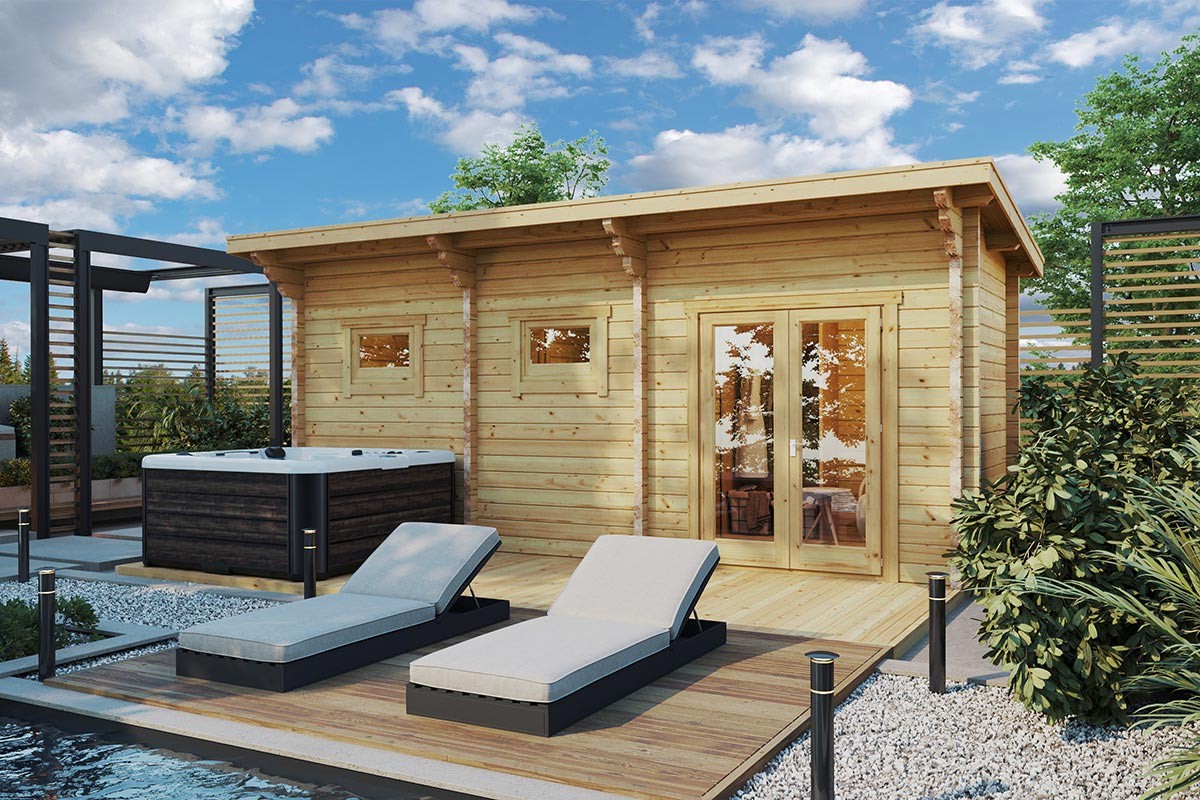
Outdoor living spaces have evolved dramatically over the past decade. British homeowners are increasingly transforming gardens into functional lifestyle areas that provide relaxation, wellness and entertainment opportunities throughout the year. Among the most desirable additions are wood-fired hot tubs and outdoor saunas, both of which create authentic spa environments that blend comfort with nature.
However, installing these features involves much more than selecting an attractive location. The combination of heavy water loads, timber construction and heat exposure introduces structural challenges that must be carefully planned. Without proper preparation, decking installations can suffer from long-term damage, safety risks and expensive structural failures.
Understanding how to prepare decking correctly ensures outdoor spa installations remain safe, durable and visually appealing for many years.
Understanding the True Weight of Outdoor Spa Installations
One of the most commonly underestimated factors when installing a garden spa feature is total weight. A filled hot tub or sauna unit can exert substantial pressure on decking structures, particularly when water and bathers are included.
A typical wood-fired hot tub holds between 1,200 and 2,000 litres of water. As each litre weighs roughly one kilogram, the water alone can exceed two tonnes. When adding the weight of the tub structure, heating equipment, seating and occupants, the combined load frequently surpasses 2,500 kilograms.
Premium handcrafted spa units, including those produced within the TimberIN wood fired hot tubs range, are engineered using durable timber and advanced insulation techniques designed to maximise thermal efficiency and longevity. Nevertheless, even the highest quality units require proper structural planning. Homeowners exploring long-lasting outdoor spa solutions can learn more about installation recommendations and load requirements by visiting:
https://www.woodenhottubsale.co.uk/hot-tubs/wood-fired-hot-tubs/
Accurate load calculations are essential before installing any spa equipment on decking structures.
Load Bearing Requirements for Decking Structures
Decking systems must support two primary types of weight load.
Dead Load
This refers to the permanent weight placed on the deck, including spa units, timber frames, heating components and fixed accessories.
Live Load
Live load includes temporary weight factors such as water, occupants, furniture and environmental elements like snow or rainwater accumulation.
Most residential decking in the UK is designed to support approximately 1.5 kN/m². Spa installations, however, typically require significantly higher support levels, often exceeding 4 kN/m² depending on the size and configuration of the installation.
Consulting structural professionals before installing outdoor wellness features is strongly recommended to ensure compliance with building safety standards.
Reinforcing Deck Structures for Wood-Fired Hot Tubs
Deck reinforcement is often necessary to safely accommodate spa installations. Several structural adjustments can significantly improve load distribution and long-term stability.
Additional Support Posts
Installing extra support posts beneath the spa footprint helps distribute weight more evenly across the decking structure. Posts positioned directly below hot tubs minimise stress placed on joists and prevent long-term sagging.
Strengthened Joists
Upgrading joists using thicker timber or double joist configurations enhances structural capacity. Reducing joist spacing also improves weight distribution and overall deck strength.
Concrete Base Integration
Many professional installers recommend installing reinforced concrete pads beneath spa units. Concrete bases allow heavy water loads to transfer directly into the ground rather than relying entirely on timber substructures.
Ground-Level Installations
Whenever possible, positioning spa features closer to ground level reduces structural stress and simplifies reinforcement requirements.
Preparing Decking for Outdoor Sauna Installation
Although outdoor saunas generally create less water-related load stress than hot tubs, they introduce unique challenges involving heat exposure, moisture management and ventilation requirements.
Homeowners considering installing a durable outdoor garden sauna should prioritise airflow planning and timber protection strategies. The TimberIN outdoor sauna collection demonstrates how premium Scandinavian timber construction can enhance durability while maintaining authentic Nordic design aesthetics. Homeowners researching placement and installation options can review structural considerations here:
https://www.woodenhottubsale.co.uk/outdoor-saunas/
Effective preparation ensures sauna installations perform efficiently while preventing moisture damage to decking structures.
Choosing Suitable Decking Materials for Spa Installations
Material selection significantly influences structural reliability, maintenance requirements and long-term durability.
Natural Timber Decking
Traditional timber decking remains highly popular due to its natural appearance and compatibility with garden spa aesthetics.
Advantages include:
- Strong load-bearing performance when properly installed
- Natural slip resistance
- Seamless visual integration with wooden spa installations
However, timber decking requires regular sealing, treatment and inspection to maintain structural integrity in moisture-rich spa environments. Thermally modified woods such as Thermowood and larch provide enhanced resistance to moisture and dimensional movement, making them particularly suitable for outdoor spa applications.
Composite Decking
Composite decking combines wood fibres with recycled plastics, producing low-maintenance surfaces that resist rot and insect damage.
Benefits include:
- Reduced maintenance requirements
- Long-term colour stability
- Improved resistance to moisture penetration
However, composite decking often requires reinforced subframes when supporting heavy spa installations and may retain heat during warmer months.
Hardwood Decking
Hardwood materials such as oak or iroko offer exceptional strength and longevity, making them suitable for heavy spa installations.
Advantages include:
- High structural load capacity
- Long lifespan with proper maintenance
- Premium visual appearance
Hardwood decking generally requires professional installation due to material density and structural complexity.
Common Structural Mistakes Homeowners Make
Even experienced DIY enthusiasts can overlook essential structural factors when installing outdoor spa features. The most frequent mistakes include:
Ignoring Load Calculations
Assuming existing decking can support spa weight without professional assessment often leads to structural failure over time.
Installing Hot Tubs on Raised Decks Without Reinforcement
Raised decking requires significantly stronger support systems compared to ground-level installations.
Poor Drainage Planning
Standing water beneath decking accelerates timber rot, weakens structural integrity and shortens deck lifespan.
Limited Maintenance Access
Spa installations require periodic servicing. Installing units too close to railings or garden boundaries can restrict access and complicate repairs.
Uneven Load Distribution
Improper base preparation concentrates weight pressure on specific structural points, increasing the risk of deck warping.
Timber Craftsmanship and Scandinavian Spa Design
Scandinavian spa culture continues to influence modern outdoor wellness design across Europe. Many homeowners now prefer Scandinavian hot tubs because they combine sustainable timber materials with highly efficient insulation and timeless design appeal.
Specialist manufacturers such as WoodenHotTubSale.co.uk focus on combining traditional Nordic craftsmanship with advanced engineering methods. These techniques help ensure spa installations remain durable, energy efficient and visually integrated with natural garden environments.
Creating Complete Outdoor Wellness Zones
Outdoor spa installations are no longer isolated luxury features. Increasingly, homeowners design full wellness environments that enhance relaxation and lifestyle experiences.
These integrated outdoor spaces often include:
- Timber relaxation terraces
- Pergolas or shade structures
- Outdoor showers and cold plunge pools
- Fire pit seating areas
- Decorative landscape lighting
Well-designed spa environments increase both usability and property value, particularly when installations can be enjoyed year-round.
Commercial and Hospitality Advantages
Holiday rental and glamping businesses are increasingly installing outdoor spa features to enhance guest experience and increase booking demand. Wood-fired hot tubs and outdoor saunas provide memorable wellness experiences that encourage repeat visits and justify premium nightly rates.
Outdoor spa installations often become key marketing highlights for countryside retreats, boutique hotels and luxury holiday cottages.
Essential Installation Planning Checklist
Before installing spa installations on decking, homeowners should review the following preparation steps:
✔ Conduct detailed structural load calculations
✔ Consult decking or structural engineering professionals
✔ Select suitable decking materials
✔ Ensure adequate ventilation and drainage
✔ Plan safe access routes for maintenance
✔ Confirm compliance with local building regulations
✔ Review a professional installation guide before beginning construction
✔ Compare available outdoor spa solutions to determine optimal garden placement
Future Trends in Outdoor Spa Construction
Outdoor wellness design continues to evolve as homeowners prioritise sustainability and long-term usability. Emerging trends include:
- Sunken spa installations integrated into decking
- Hybrid sauna and hot tub relaxation zones
- Smart temperature monitoring and automation systems
- Eco-friendly wood-fired heating technology
- Modular spa terrace designs allowing flexible layouts
As demand for home wellness spaces continues to grow, spa installations are becoming permanent elements of modern garden design.
Conclusion
Installing wood-fired hot tubs and outdoor saunas on decking requires careful structural preparation, appropriate material selection and professional installation planning. When these factors are correctly addressed, spa installations provide outstanding relaxation benefits while significantly enhancing outdoor living spaces.
By combining strong structural foundations with high-quality timber craftsmanship, homeowners can create garden spa environments that deliver long-term durability and exceptional lifestyle value. Outdoor spa installations represent more than luxury garden features — they reflect a growing movement towards natural wellness, sustainable living and year-round enjoyment of outdoor spaces.
